
Which situation fits you?
Every retirement roadmap I build starts from the client’s actual situation, not a generic template. Pick the page closest to yours:
- Couples and dual-income households
- Business owners
- Medical professionals
- Malaysians with investment properties
- Malaysians with mortgages
- Malaysians with too many insurance policies
- Malaysians earning Singapore dollars
- Malaysians working in the Middle East
- Malaysians working in the US or Europe
- Malaysians with overseas property
Not sure? Start with a confidential assessment and I’ll tell you which roadmap applies.
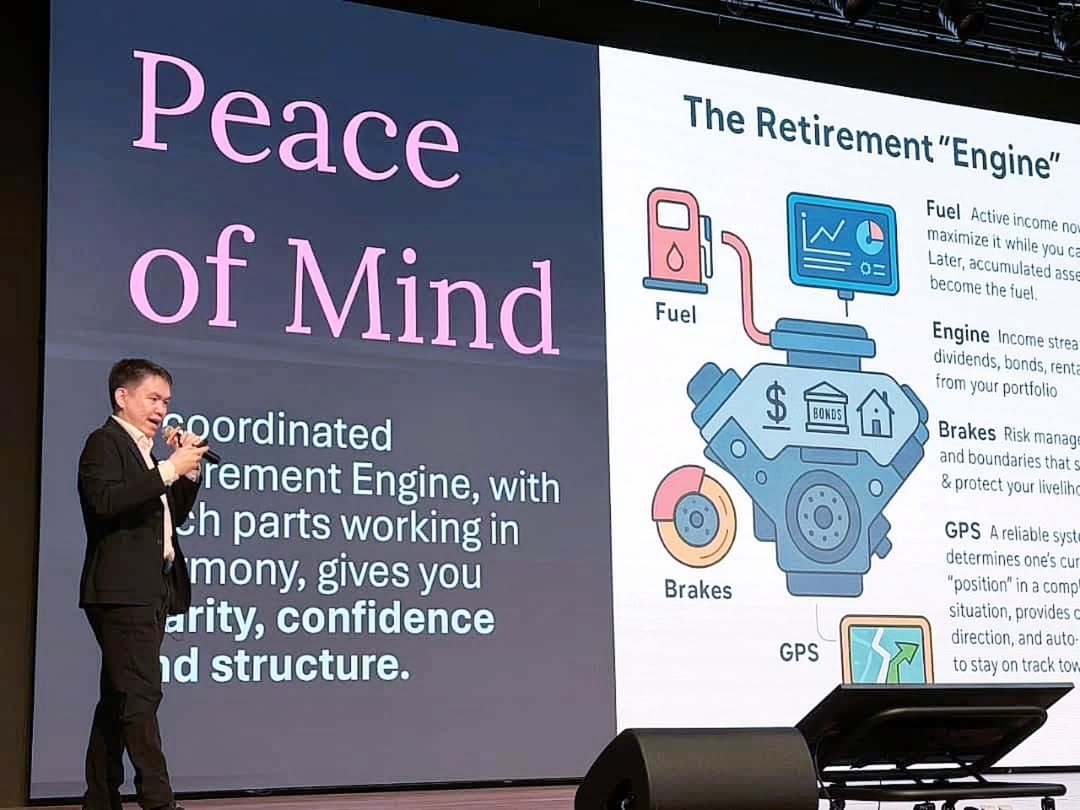
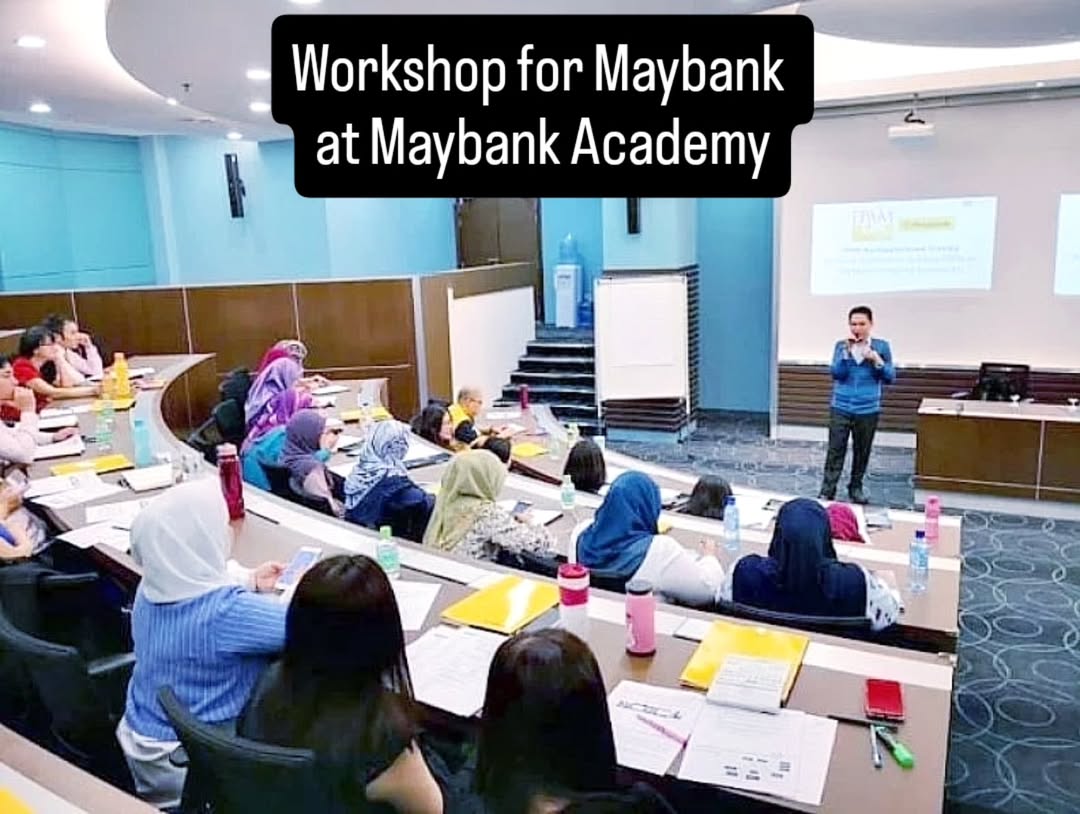
I am CF Lieu, My work includes being a licensed advisor for my retirement advisory clients and trainer for financial institutions and banks since 2012.


Retirement Financial Planning for Single Income Households
A household can look financially comfortable on paper and still be one job loss, illness, or family emergency away from a difficult decision. That is the central tension in financial planning for single income households: every goal, obligation, and lifestyle choice depends on one person’s ability to earn. The answer is not to live in constant restraint. It is to build a plan that protects the household while making room for the life you want now.
A single-income household may be a couple raising children, a family supporting aging parents, or one professional whose income carries a mortgage and shared commitments. The details differ, but the planning challenge is the same: there is less room for a missed assumption. A thoughtful financial plan turns that pressure into clear priorities.
Start Financial Planning for Single Income Households With Cash Flow
Most financial stress starts with an unclear view of monthly commitments. High earners are not immune. In fact, career progression can quietly raise fixed costs through a larger home, private education, car financing, family support, and lifestyle spending. When income is concentrated in one person, fixed commitments deserve particular attention.
Begin with net income, not headline salary. Then separate spending into three categories: essential household costs, lifestyle spending, and irregular but predictable expenses. The third category is often underestimated. Annual insurance premiums, school fees, holiday travel, home repairs, road tax, and family celebrations may not appear every month, but they are part of real cash flow.
The purpose is not to scrutinize every coffee purchase. It is to establish the household’s minimum viable monthly cost: the amount needed to keep the home stable if income is interrupted. This number informs nearly every other planning decision, including emergency reserves, insurance coverage, debt repayment, and investment risk.
Make Fixed Costs Earn Their Place
A useful test is to ask whether the household could carry its fixed obligations for six to twelve months without a bonus, commission, or investment sale. If the answer is no, the problem may not be income. It may be that too much income has already been committed.
Mortgage payments, education costs, vehicle loans, and recurring family obligations should be reviewed together rather than in isolation. A property may be affordable based on bank approval but still reduce retirement flexibility or leave too little margin for a career break. A financial plan should assess affordability against the household’s goals, not just a lender’s maximum.
Build Liquidity Before Pursuing Every Investment Opportunity
For a household with two dependable incomes, one person’s salary can sometimes cover a short disruption. A single-income household does not have that built-in buffer. Accessible cash is not idle money in this context. It is protection against being forced to sell investments during a market decline, borrow at unfavorable rates, or make rushed decisions.
Many households benefit from holding six to twelve months of essential expenses in a liquid reserve. The right amount depends on job stability, the number of dependents, health considerations, variable compensation, and whether the income earner works in a specialized field where finding a comparable role may take time. A business owner or professional with volatile income may need a larger reserve than a salaried executive with a stable employment package.
Keep this reserve separate from planned spending. A down payment, renovation fund, or upcoming tuition payment is not an emergency fund because it already has a job. Separating these pools of money creates a more honest view of what is available when circumstances change.
Protect the Income That Supports the Entire Plan
Investment portfolios get attention because their values are visible. Income protection can be more valuable because it protects the source of future savings, mortgage payments, education funding, and retirement contributions.
Insurance planning for a single-income household should begin with the consequences of death, disability, critical illness, and a prolonged inability to work. The question is not simply whether you own policies. It is whether the benefits would allow the family to maintain essential commitments long enough to adapt.
Coverage needs depend on outstanding debt, the desired education provision for children, existing assets, employer benefits, and the non-earning partner’s ability or willingness to return to work. A family with substantial liquid investments may need a different structure from a young household with a large mortgage and limited savings. Insurance should be coordinated with the broader plan, not purchased as a collection of unrelated products.
Also review the details that are easy to miss: exclusions, policy ownership, nomination arrangements, premium sustainability, and whether coverage declines when employer benefits end. For Malaysians with income, assets, or dependents across borders, tax treatment, currency exposure, and estate arrangements may add another layer of complexity. These issues deserve coordinated professional review rather than assumptions based on a policy illustration.
Give Debt a Clear Role in the Plan
Debt is not automatically harmful. A well-structured mortgage may support a long-term housing goal, while education financing may serve a defined family priority. The concern is debt that makes the household dependent on uninterrupted income without leaving room to save or invest.
Review each facility by interest rate, remaining term, monthly payment, and flexibility. High-interest consumer debt generally deserves early attention because its guaranteed cost can outweigh the expected benefit of additional investing. Mortgage prepayment is more nuanced. It can reduce long-term interest and improve peace of mind, but directing too much cash toward a property may leave insufficient liquidity or reduce retirement investing.
The right decision depends on the interest rate, investment time horizon, tax position, emergency reserves, and comfort with debt. Good planning does not apply one rule to every household. It shows the trade-off clearly, then helps you make a decision you can sustain.
Keep Retirement From Being Crowded Out by Family Priorities
Single-income families often direct their best financial energy toward immediate responsibilities: the home, children, parents, and insurance. Those are valid priorities. But retirement cannot be treated as whatever remains after everything else is funded, especially when the household expects to preserve its lifestyle later in life.
Retirement planning should model the lifestyle you expect to maintain, rather than relying on a broad percentage of current income. Consider housing costs after retirement, medical expenses, support for parents or adult children, travel, inflation, and the possibility that one spouse lives much longer than expected. A retirement fund also needs to support the non-earning partner if the income earner dies or becomes unable to work.
Contributions should be automated where possible and increased deliberately when income rises. Bonuses, promotions, and debt repayments create opportunities to improve retirement readiness without permanently expanding lifestyle costs. For professionals paid in Singapore dollars or other foreign currencies, the plan should also test exchange-rate risk rather than assuming today’s currency advantage will last indefinitely.
Invest for Resilience, Not Excitement
A concentrated portfolio can create a false sense of progress during strong markets. Single-income households already have concentrated economic risk through one career, employer, or business. Their investment portfolio should usually add diversification, liquidity, and a time horizon that matches each goal.
That does not mean avoiding growth assets. It means avoiding the mistake of placing emergency funds in volatile investments, using short-term money for long-term bets, or holding an outsized position because it performed well recently. A structured review can reveal whether the portfolio is aligned with retirement needs, debt obligations, and the family’s actual capacity to withstand losses.
Plan for the Scenario No One Wants to Discuss
A financial plan is incomplete without basic estate and incapacity planning. If the income earner cannot make decisions, can the family access accounts, manage investments, pay bills, and carry out their wishes without unnecessary delay? If death occurs, will assets move to the intended people in a practical and orderly manner?
This is especially relevant where there are children from previous relationships, business interests, overseas assets, or dependent parents. Beneficiary designations, wills, guardianship wishes, account access, and a clear record of insurance and liabilities can spare a family significant confusion at an already difficult time.
The conversation may feel uncomfortable, but it is an act of care. The goal is not to predict the worst. It is to ensure that a temporary or permanent crisis does not become a financial crisis as well.
Turn the Plan Into Decisions You Can Implement
A useful plan should leave you with a sequence, not a stack of reports. Start by identifying the most urgent gap: perhaps emergency reserves are too low, insurance coverage is unclear, or a mortgage payment is limiting retirement savings. Address that issue first, then set review dates for the next decisions.
CF Lieu Advisory approaches this work as an integrated roadmap because cash flow, debt, insurance, investments, and retirement do not operate independently. An objective review can validate what is already working, identify blind spots, and prevent a product decision in one area from creating a problem somewhere else.
The strongest single-income households are not those that never face uncertainty. They are the ones that have decided, in advance, what their money needs to do when uncertainty arrives. That preparation gives the household something more valuable than a perfect forecast: room to respond with calm and confidence.