
Which situation fits you?
Every retirement roadmap I build starts from the client’s actual situation, not a generic template. Pick the page closest to yours:
- Singles or single-income households
- Couples and dual-income households
- Business owners
- Medical professionals
- Malaysians with investment properties
- Malaysians with mortgages
- Malaysians with too many insurance policies
- Malaysians working in the Middle East
- Malaysians working in the US or Europe
- Malaysians with overseas property
Not sure? Start with a confidential assessment and I’ll tell you which roadmap applies.
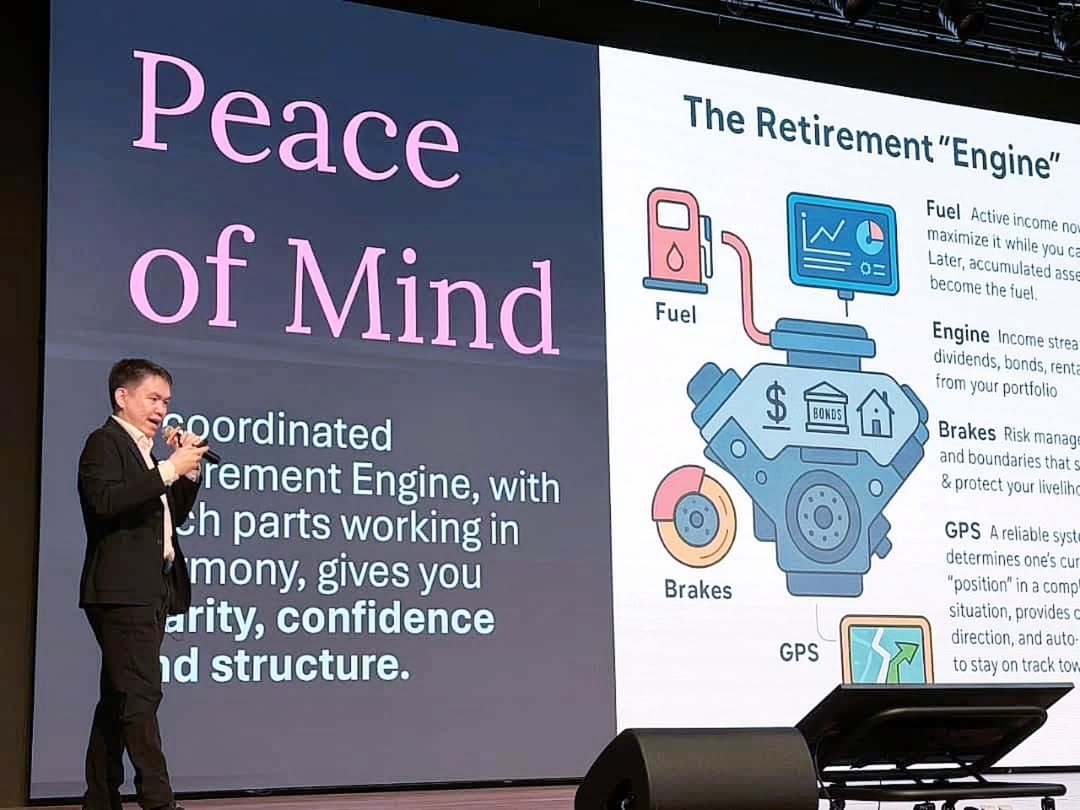
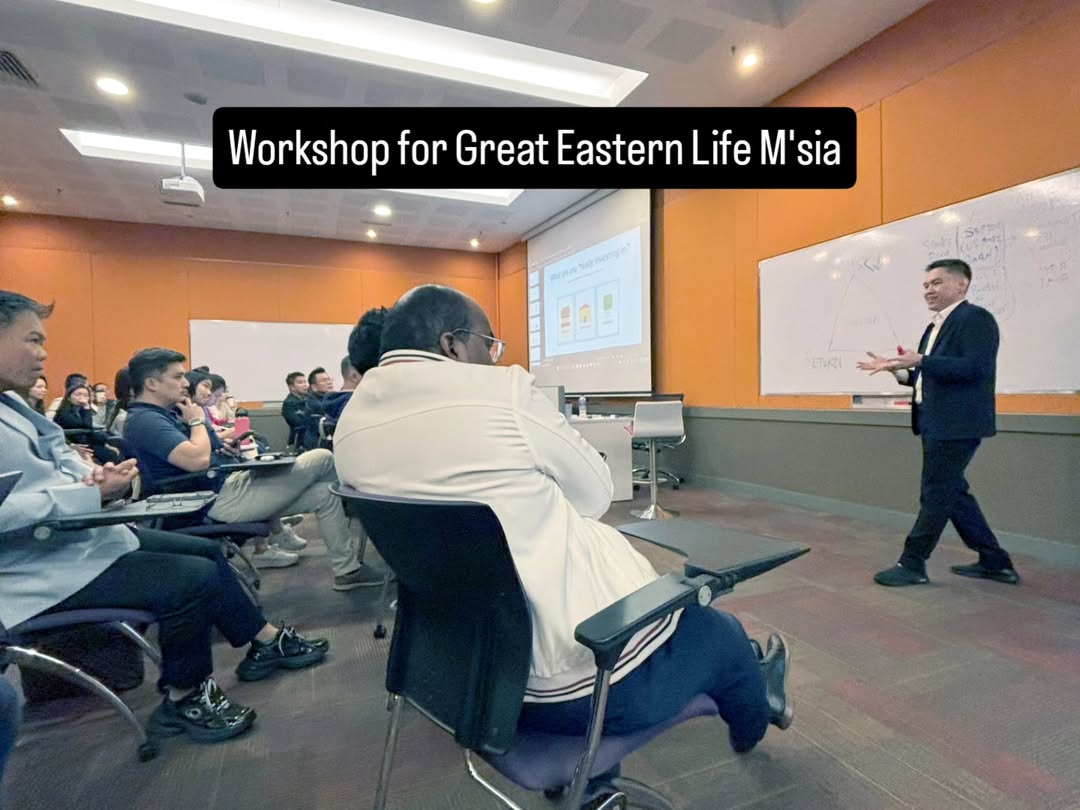
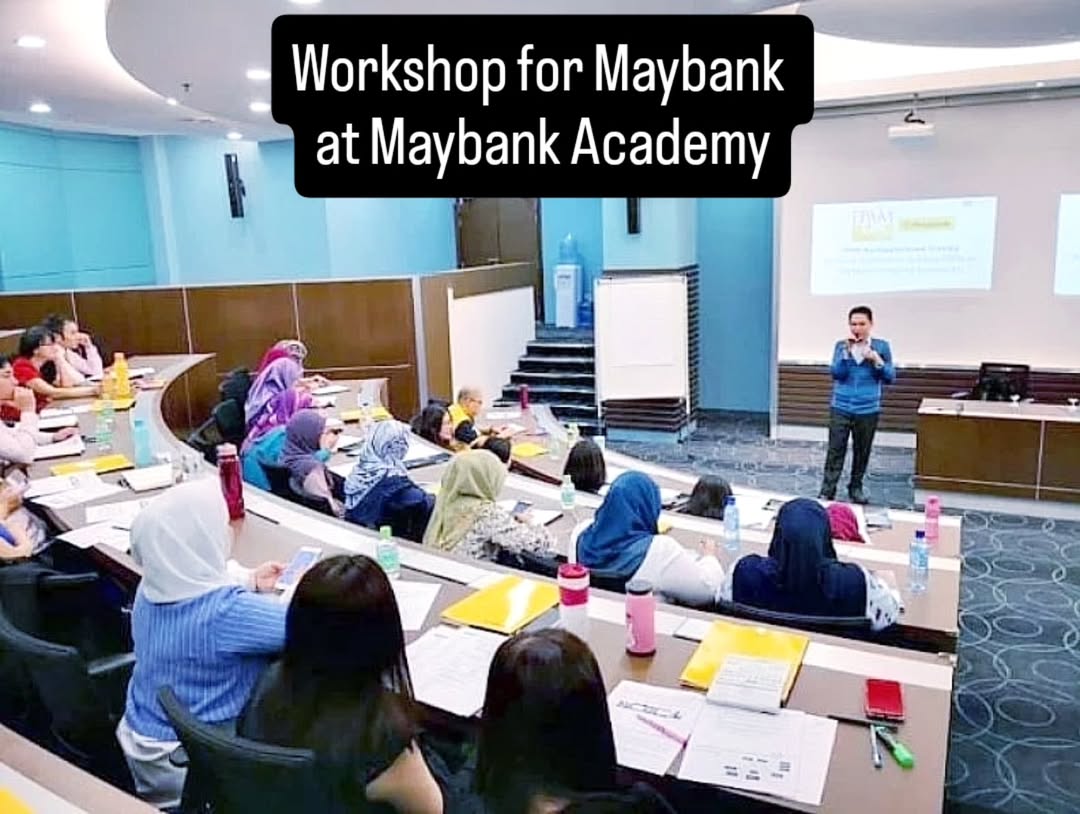
I am CF Lieu, My work includes being a licensed advisor for my retirement financial advisory clients and trainer for financial institutions and banks since 2012.

Retirement Financial Planning for Singapore Dollar Earners to Retire in Malaysia
A Singapore-dollar salary can create a powerful sense of financial progress. The income is often higher, the exchange rate can be favorable, and converting funds into ringgit may make major goals feel closer. Yet financial planning for Singapore dollar earners is not simply about earning more and converting at the right time. It is about ensuring that a cross-border income supports the life you want to build, whether that life remains in Malaysia, includes time in Singapore, or changes over the next 20 years.
Many professionals do well on paper but still carry uncertainty. They may hold cash in several currencies, own Malaysian property with Singapore-based income, contribute to CPF, support parents, and invest through platforms that do not show the household picture. The right plan replaces disconnected decisions with a clear framework.
New to cross-border planning? Start with the complete guide for Malaysians working overseas
Start With the Life Your Money Must Support
A salary denomination is not a financial plan. Before selecting funds, insurance, or property, define the future your assets need to fund. This includes your intended retirement location, desired monthly lifestyle spending, family commitments, education goals, housing plans, and appetite for continuing work after your formal career ends.
For a Malaysian earning Singapore dollars, retirement expenses are often in ringgit, but that is not always true. You may plan to spend part of each year in Singapore, send children to university overseas, or want access to medical care in more than one country. Those choices affect the currencies in which you should hold cash, investments, and insurance protection.
A useful starting point is to separate goals by time horizon. Near-term commitments such as a home down payment, wedding, or family support should not depend on equity markets recovering at the right moment. Long-term retirement capital can take more investment risk, provided the portfolio matches your real capacity to tolerate losses.
The key question is not, “How much can I save this month?” It is, “What level of spending must my wealth reliably support when my salary stops?” That shifts the conversation from accumulation alone to retirement readiness.
Treat Currency Exposure as a Planning Decision
A strong Singapore dollar is helpful, but it should not be the sole reason for a financial decision. Currency movements can reverse, and a favorable exchange rate today does not guarantee one at the point you need funds for a property purchase or retirement withdrawal.
Your appropriate currency mix depends on where future liabilities sit. If your mortgage, family spending, and planned retirement are primarily in Malaysia, holding every dollar of your savings in SGD creates a mismatch. Conversely, immediately converting all surplus income to ringgit can be inefficient if you expect Singapore-based expenses, intend to remain employed there for years, or are building a globally diversified investment portfolio.
Rather than trying to predict exchange rates, create rules. You might maintain a defined amount of ringgit for 12 to 24 months of Malaysian commitments, retain SGD for Singapore expenses and near-term needs, and invest long-term capital across global assets. The proportions should reflect your personal goals, not a headline about where the currency will move next.
This discipline is particularly valuable when the exchange rate is emotionally charged. A predetermined conversion approach reduces the temptation to delay necessary transfers while waiting for a “better” rate, only to discover that a time-sensitive obligation has arrived.
Build a Cash-Flow System Across Both Countries
High income can still produce weak cash flow when money moves without a system. Rent or mortgage payments, remittances to family, insurance premiums, travel, taxes, and investment contributions can quickly become difficult to track when they are spread across Singapore and Malaysia accounts.
Start by measuring spending in the currency in which it occurs. Then translate the full household picture into one reporting currency for planning purposes. This lets you see the genuine savings rate and whether lifestyle costs have risen quietly alongside income.
An emergency reserve deserves special attention. A person working in Singapore but supporting a household in Malaysia may need liquidity in both currencies. A ringgit reserve can cover Malaysian loan payments and family costs. A separate SGD reserve can protect against job disruption, housing costs, or an employment transition in Singapore.
Avoid treating every unspent Singapore dollar as investment capital. If a work permit change, career break, health issue, or return to Malaysia would force you to liquidate investments at the wrong time, the portfolio is carrying a job-risk burden it should not carry.
Coordinate Tax, CPF, EPF, and Retirement Accounts
Cross-border tax planning is an area where assumptions can be expensive. Tax residency, the source of income, work arrangements, investment income, and time spent in each country can change the analysis. Do not rely on informal advice from colleagues or a social-media checklist, especially when a bonus, share plan, business income, or rental property is involved.
CPF can be a meaningful part of retirement capital for eligible contributors, but it should be modeled alongside, not separately from, your Malaysian assets. Consider its access rules, withdrawal timing, account structure, and the currency in which future benefits will be paid. If you also have EPF savings from earlier employment in Malaysia, include that balance in the same retirement projection.
The central planning issue is not which account has the best headline return. It is whether your combined resources can support your intended retirement lifestyle after allowing for inflation, healthcare, housing, taxes, and different market outcomes.
A professional with substantial CPF and EPF balances may appear well funded, yet still face a gap if most retirement spending will be in Singapore. Another may hold sufficient assets but be exposed to unnecessary concentration in Malaysian property. Modeling the whole picture helps identify these blind spots before they become difficult to fix.
Invest for the Household, Not for the Platform
It is common for Singapore dollar earners to accumulate investments through several channels: a bank relationship, a brokerage account, unit trusts bought in Malaysia, employer shares, insurance-linked investments, and perhaps a condominium or landed property. Each holding may seem reasonable by itself. Together, they can create duplicated exposure, high fees, poor liquidity, or more risk than the household realizes.
Portfolio construction should begin with the role each asset plays. Cash supports resilience. Fixed income may stabilize medium-term goals. Equities drive long-term growth but fluctuate sharply. Property can provide utility or income, but it can also tie up capital and add debt risk. Insurance protects against severe losses that savings alone may not absorb.
For Singapore dollar earners, currency is one layer of diversification, not the whole strategy. Owning SGD cash does not automatically mean you are globally diversified. Likewise, buying a global fund does not remove the need to understand how market losses, exchange-rate changes, and upcoming obligations interact.
Before adding another investment, ask three practical questions: What purpose does this holding serve? What risk does it add to the household? What would happen if I needed the money during a difficult market? If the answers are unclear, a investment portfolio review may be more valuable than another purchase.
Protect Income, Family, and Major Commitments
The ability to earn in Singapore is often the household’s most valuable financial asset. That makes risk management more than an insurance exercise. It is about protecting the plan if illness, disability, death, or an unexpected employment change occurs.
Coverage should be evaluated against actual liabilities and dependents, not against the size of the premium or a sales illustration. A single professional may prioritize disability protection, critical illness coverage, and flexibility during career changes. A family with young children may need sufficient life coverage, education funding protection, and a clear plan for mortgage obligations.
Cross-border circumstances can complicate claims, policy ownership, medical treatment preferences, and where dependents live. Review whether existing insurance coverage remains appropriate for your residence, employment arrangement, and intended place of care. Insurance purchased years ago may no longer fit the life you have now.
Stress-Test the Plan Before You Need It
A good plan should work under less-than-perfect conditions. This is where many high-income households gain the most clarity. Test what happens if the Singapore dollar weakens, your employment ends six months earlier than expected, markets fall before retirement, property is vacant, or a parent needs financial support.
Stress testing does not predict disaster. It shows which decisions have the greatest consequences and where additional flexibility is needed. You may find that a larger cash reserve matters more than chasing a slightly higher investment return. Or you may discover that retirement is viable, but only if a large mortgage is reduced before leaving full-time work.
Tools can help organize these scenarios, but the assumptions matter more than the software. A thoughtful plan brings together retirement savings, investments, property, debt, insurance, spending, and family goals. When different parts of the plan disagree, that is not a failure. It is a signal to investigate before committing more money.
For households with significant cross-border assets, an independent review can provide needed validation before a major decision such as buying property, restructuring investments, or planning an early return to Malaysia. CF Lieu Advisory approaches this work as a full financial roadmap, not a product recommendation.
A Singapore-dollar income is an opportunity, not a guarantee of long-term security. Give every dollar a job, keep the plan aligned with the country and lifestyle you are building toward, and make decisions from evidence rather than exchange-rate emotion. The confidence that follows comes from knowing your wealth can support your life even when markets, currencies, or career plans change.